
Owner and founder of RFK Kitchens, Trevor Scott, talks candidly about his 45 years in the fitted kitchen industry.
What inspired you to start working in the fitted kitchen industry, and what was your role when you first began?
I came to the industry by accident, after finishing catering college and vowing never to work in a professional kitchen.
I was picked up by Marks & Spencer as a part of their management training programme. After around 18 months or so I started applying for junior management administration roles closer to home, and the one I picked just happened to be a south coast-based kitchen manufacturer – Manhattan Furniture, who are still going strong to this day.
At that time, they had 5 retail showrooms, and my small department managed the order processing from sale through production to installation and after-sales. It was a great learning experience and taught me a lot, which has stood me in good stead ever since.
After a while I asked the Contract’s team if they would teach me how to design kitchens and take on some of their projects. I also occasionally did relief work in the Brighton showroom – my first retail experience. I was 22.
Looking back, how have products changed? Is there more choice now in terms of product diversity? If so, was it simpler when there was less on the market?
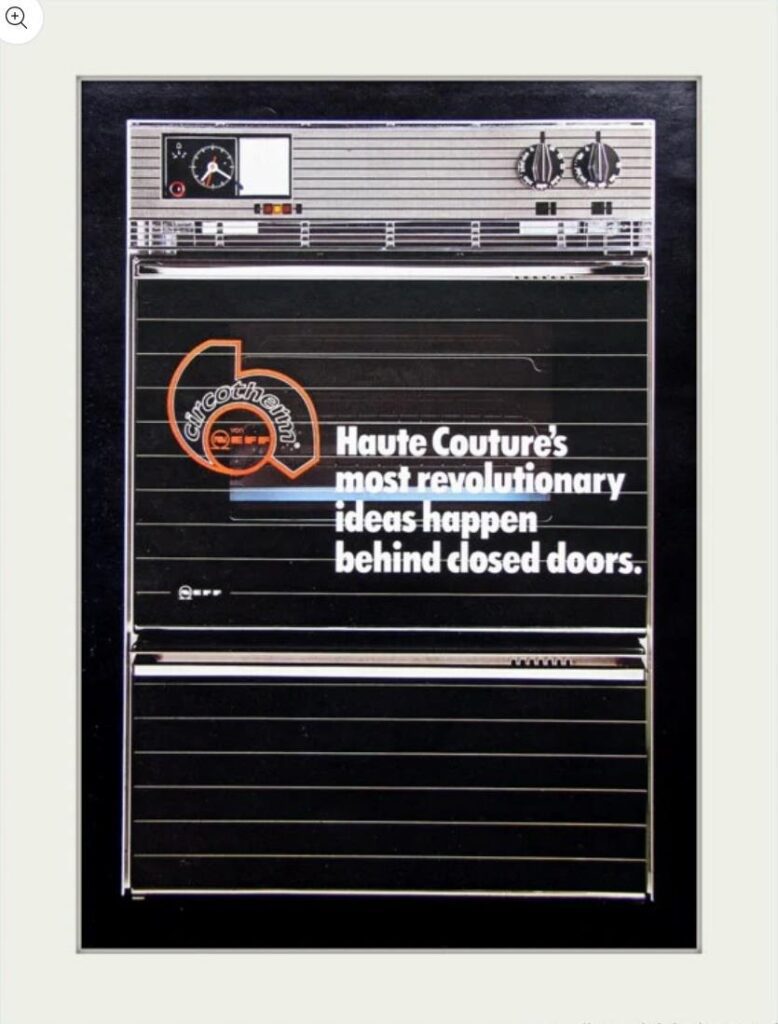
One abiding memory of my time there was the crazy array of different sized built in ovens we had to build housings for. I can clearly remember being invited to see the first Neff oven in the UK that Neff MD Uwe Hanneck hauled in from the boot of his estate car that launched the fan (Circotherm) oven revolution and standardised the size of double ovens!
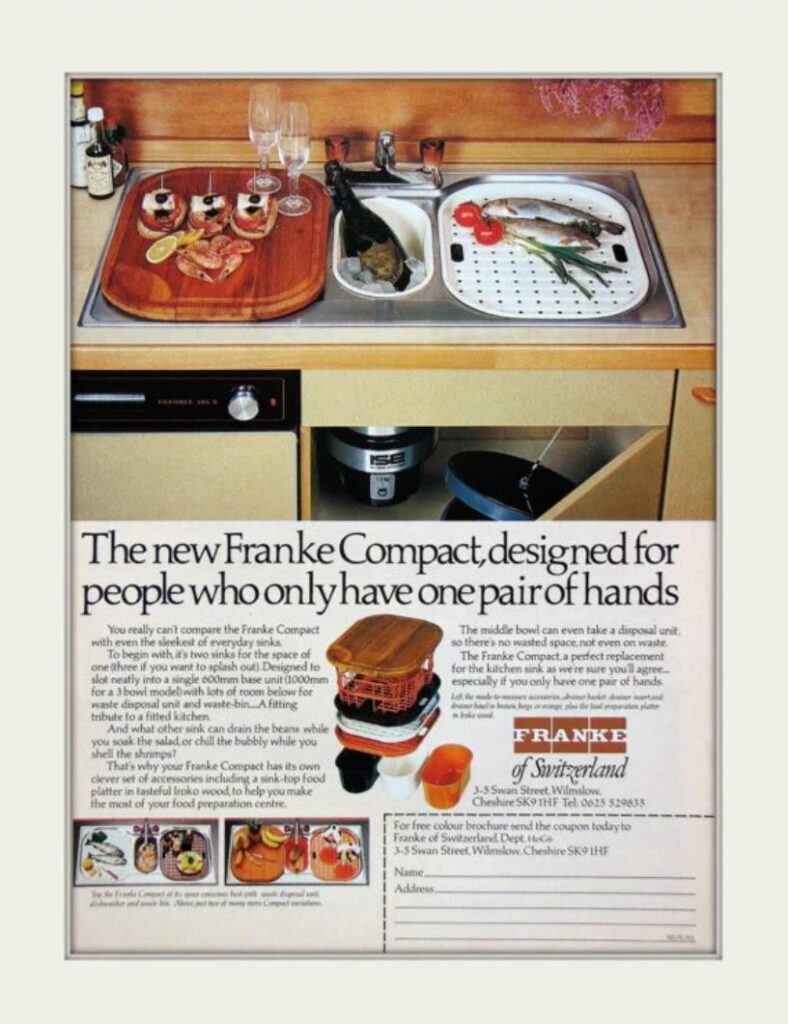
At around the same time, Franke brought out the original Compact 1 1/2 bowl inset sink, which moved us away from the classic lay-on sink and launched the sink as a work centre that gave designers flexibility in positioning the sink, allowing the washing machine (still freestanding) or dishwasher to sit under the drainer.
It also saw the rise in popularity of the waste disposal unit which had been around for many years in the USA.
By the time I had moved into retail in the early 80’s, the microwave revolution was on its way. The introduction of the turntable transformed this difficult to use appliance into a must have in every British home.
Studios like ours even ran microwave cookery demonstrations – such was the demand!
These days CAD technology (used to create real-life images of your kitchen so you can see your design before you sign on the dotted line) is a simple and basic part of the kitchen process.
Prior to CAD’s arrival many of us worked on full size architects drawing tables with pins set up to create our own two and three vanishing points for hand drawing perspectives. This was hugely time consuming and, of course, designs couldn’t be easily altered once done!
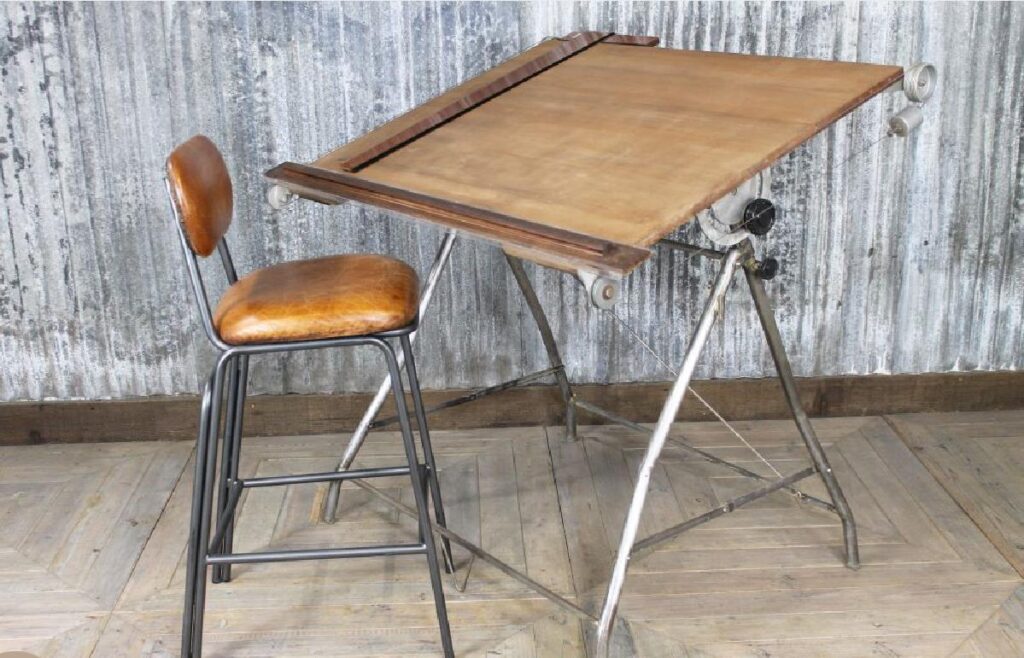
We even had a 3D wood block design tool on which we could recreate our 2D plans as actual 3D scale models for our clients to better understand our designs!
CAD has undoubtedly revolutionised kitchen design with stunning photo realistic designs being only a few clicks away. The ability to now render wonderful designs in a whole variety of finishes showing clients many options almost instantly is a fantastic tool but being able to measure and survey a kitchen accurately and transfer those measurements correctly onto the system is still a vital skill.
How many designers today take a portable drawing board out on survey and draw out the existing kitchen to scale?
Not many I’ll bet but at RFK I insist we still do this as if you finish where you started you’ve measured correctly and your design is much more likely to fit.
When it comes to the customer experience, what’s changed over the past 40 years?
Back in the day, the industry had big retail sheds like Texas and MFI, with builders heading to builders’ merchants for fairly basic, British-made kitchens. Today, we still have the DIY sheds, with Wren and Howdens effectively taking over from MFI, supplying large volumes of similarly average British-made kitchens to builders.
However, independent kitchen design studios have remained firmly in control of the mid to upper-market segment. Offering a personalised service, in-depth product knowledge, bespoke designs, and premium-quality products, they continue to appeal to discerning clients who want more than just a standard solution.
These clients typically contact or visit independent showrooms and are guided through their choices by a professional designer who takes the time to understand their specific needs, desires, and budget. This approach has always been the backbone of the independent kitchen studio experience—and it likely always will be.
What are some of the best ways that the industry has changed and developed?
Although kitchen styles themselves continue to develop and change, product quality has consistently improved over the years with huge advances in manufacturing technology.
Most kitchens are still manufactured using MFC but the board has become much sturdier, the hinges from the likes of Blum and Hettich to name but two are superb, easy to adjust, soft close and clip-on.
Appliance wise the advances have been huge.
Dishwashers back in the day were an unnecessary luxury. Clients often said “ We don’t need a dishwasher, it’s the only time we actually talk to each other – while I’m washing and they’re drying!”
Today they’re a must have, use hardly any water, are incredibly energy efficient, using a kind of lava stone to retain heat for dish drying.
One of the biggest revolutions came with the introduction of an affordable induction hob.
This was swiftly followed by the hot tap which took off quickly – today every 2nd kitchen we supply has one fitted.
The most recent innovation to take off has been the venting hob. Bora has been an overnight success story with most other major brands now offering their own versions.

4th February 2025
Author:

Share This Article . . .
RFK Kitchens Rugby
Cottage Leap
Rugby
CV21 3XP
01788 547647
RFK Kitchens Warwick
47 Coten End
Warwick
CV34 4NT
01926 419165
© Copyright 2021 | RFK Kitchens | All rights reserved.